The state of road racing in America is at its lowest point since it became a separate and unique series from the Grand Nationals in 1976. The economy is the biggest factor of this falloff, but the well documented mismanagement of the series ranks right up there as the cause for this sad state of affairs.
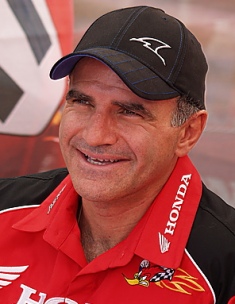
The bidding war for Miguel Duhamel in the mid-1990s helped usher in the huge rider contracts of the late '90s and early 2000s.
So many talented riders are still on the sidelines looking for a ride and since nearly all the direct factory involvement has dried up, many riders will be racing for purse only and as we now know that won’t get you far with the drastic reductions in Superbike prize money.
It would be interesting to know which, if any, road racers in America are actually getting a salary to race in 2010.
In the early 1980s there was a brief time when Honda was the only factory Superbike team and Fred Merkel was about the only rider being paid. By the late 1980s more factory rides were available, but even then riders often had to pay to get a factory ride.
Historically speaking this sudden discontinuation in paid rides is not unprecedented. The Great Depression marked the end of the factory Class A era. Riders, who made good salaries from the factories during the “Roaring 20s” suddenly found themselves without a job by the end of the decade. Class C (production based) racing emerged in the 1930s and practically none of the Class A stars made the transition to the non-paying rides. So in essence an entire generation of factory riders went into forced retirement.
The one good thing to remember about the 1930s is that a whole new generation of riders emerged to become stars of Class C and the fans learned to love the racing between the new riders and the big, heavy street machines they raced. The Grand Nationals eventually emerged and crowds flocked backed to the races again.
The parallels between the two generations are many. Racing promoters can only hope fans of today will similarly not think so much about the comparatively mild racing machinery of the 2010s and instead focus on emerging personalities of the sport.
That would be the good news.
The bad news for young, up-and-coming riders is that they are likely now to face the prospect of never being able to make the hundreds of thousands and even millions of dollars in salary and sponsorship that the preceding generation of riders enjoyed. The Great Depression marked the end of good-paying factory rides for over forty years. Instead they’ll have to dig deep to find outside sponsors to pay the bills.
No one knows exactly where this economy is heading, but even with the best-case scenario of a slow and steady recovery it’s likely to be a decade or more before “big money” factory rides come back to the sport.
 Rider Files
I agree that there are some parallels here. One significant difference is that in the ’30s, U.S. racers didn’t have many alternatives to the AMA series, whether it was run under the old Class A or the new Class C rules. Today, some of the top road-racing talent has made the successful transition to the world championships, and young, potential stars have the option of other forms of motorcycle competition, like motocross, that haven’t lost factory support (in spite of the economy–hmmm, interesting). In addition, the whole world of motorsports is enormously more competitive today, with more entrepreneurs willing to fight over the available audience.
I think both of those factors make it considerably less likely that DMG can slowly build up a new rider and fan base as the AMA was able to in the ’30s.
LikeLike
Excellent points Bill.
I still believe fans want a domestic road racing series and you’re right, there’s a big enough audience out there that someone is eventually going to take advantage of that market. I think the big domestic salaries are gone or the foreseeable future.
LL
LikeLike
Read your interview on SOUP – think you’re right — Dingman is the problem.
So how to get him out of office?
LikeLike
V.M.
I think when the membership goes below 200,000 (it’s heading south that fast) he’s going to have a tough time hanging on to the job.
LikeLike