By Larry Lawrence

The roar of engines, the blur of speed, the heart-stopping thrill of wheel-to-wheel racing—motorcycle racing in America remains a visceral spectacle. From the hallowed dirt of the Springfield Mile to the high-banks of Daytona, the hills of Unadilla, to packed Supercross stadiums, the sport’s pulse beats strong, yet its vitality varies across its core disciplines: motocross/supercross, road racing, and flat track. As a lifelong fan who’s attended races since the 1970s, I’ve witnessed the evolution of these sports firsthand. In 2025, motocross/supercross thrives, road racing holds steady, and flat track fights for a comeback. Here’s a condensed look at their current state, based on observations of crowds, demographics, and the sport’s direction.
Motocross/Supercross: The Gold Standard
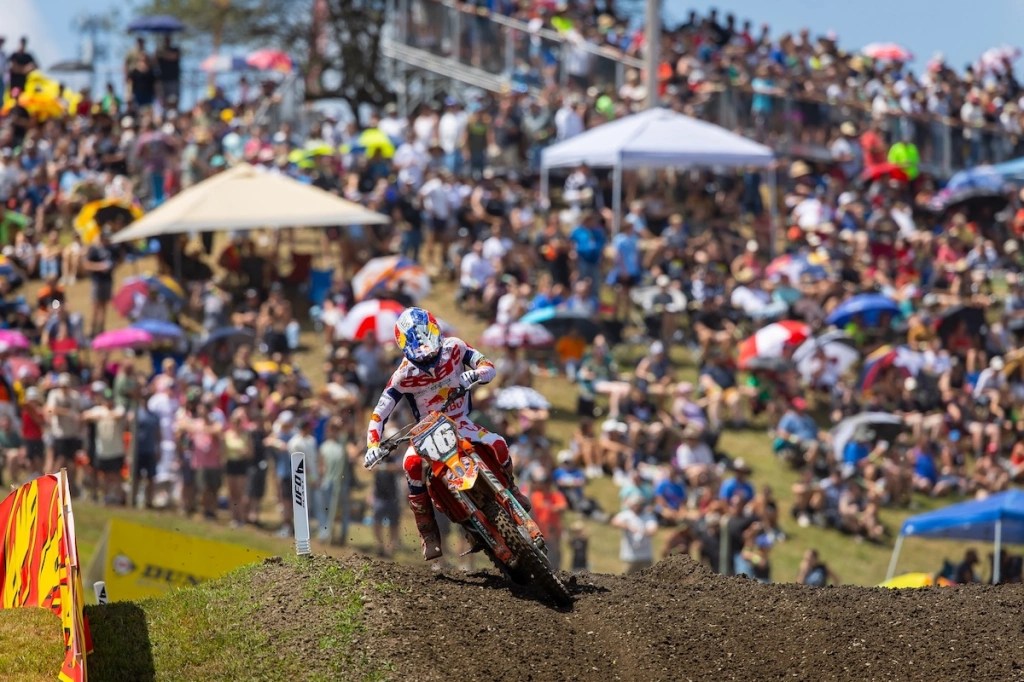
Motocross and Supercross are the undisputed kings of American motorcycle racing, delivering high-octane events that pack venues and captivate fans. Promoters like MX Sports and Feld have mastered the art of spectacle, making every race a polished, immersive experience. From Monster Energy Supercross’s stadium showdowns to Pro Motocross’s outdoor battles, these events are compact, intense, and meticulously marketed.
The fanbase is a vibrant mix of young and old, with a strong tilt toward younger audiences drawn to stars like Jett Lawrence and Haiden Deegan. Social media buzzes with content from dozens of media creators, keeping the sport relevant and engaging. Promoters seamlessly weave in history, showcasing past champions like Ricky Carmichael and Broc Glover alongside current heroes, ensuring older fans feel connected. Displays of vintage bikes and appearances by legends add nostalgia without alienating newcomers.
The sport’s health is reflected in its economics. Manufacturers invest heavily, riders earn substantial salaries, and thousands of jobs—from mechanics to vendors—are sustained. Stadiums brim with energy, and tracks are alive with fans. If not at its absolute peak, motocross/supercross is close, earning a solid A for its vibrancy and forward momentum.
Road Racing: A Mixed Bag with Promise
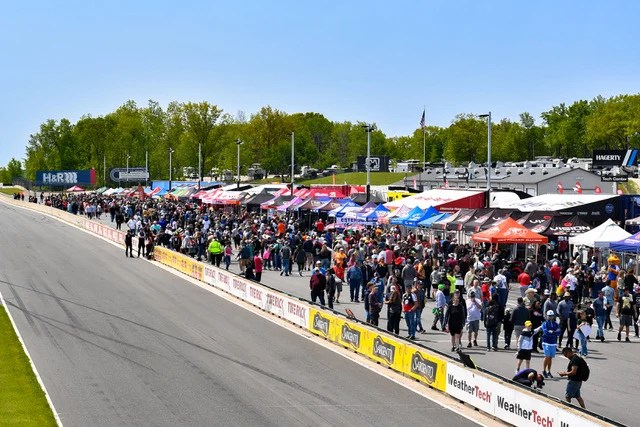
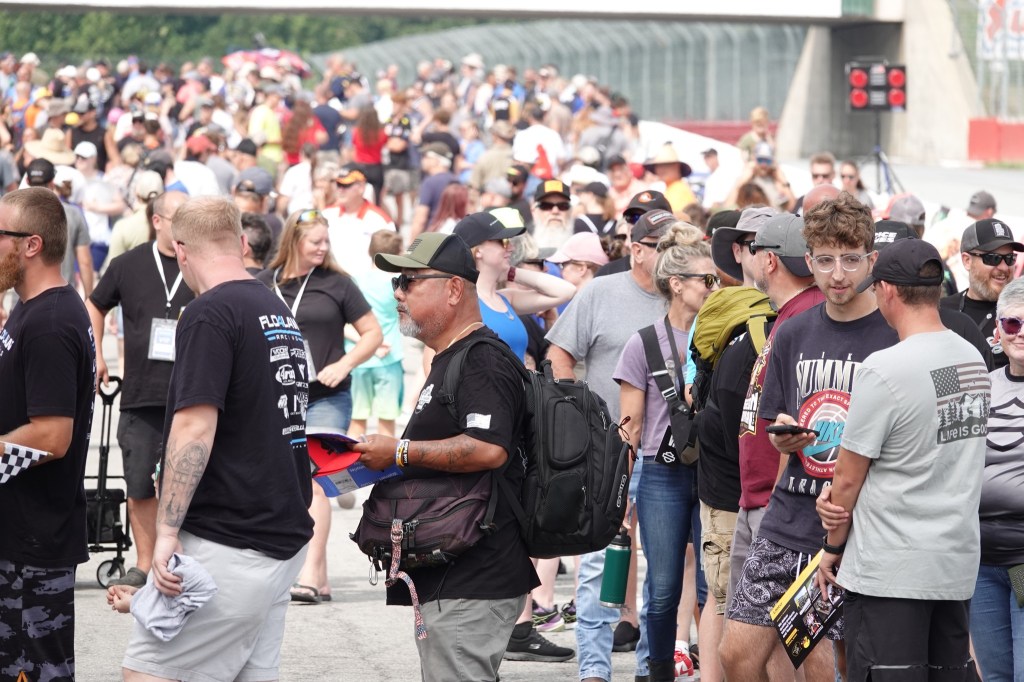
Road racing is facing serious headwinds in the form of low sportbike sales, yet a few of MotoAmerica Superbike events still draw massive crowds, like here at Road America and Mid-Ohio earlier this summer. (Brian J. Nelson & Larry Lawrence photos)
MotoAmerica, the backbone of American road racing, is a study in contrasts. At events like Road America, Mid-Ohio and Road Atlanta, grandstands swell with enthusiastic crowds, suggesting a thriving sport. Yet, other races see sparse attendance, revealing uneven support compared to motocross/supercross. The organization boasts talented staff, blending seasoned veterans with young, social media-savvy content creators who are boosting the sport’s relevance for Gen Z.
The fanbase skews older, but younger fans are trickling in, drawn by the spectacle of high-speed battles. Surprisingly, the introduction of Bagger racing—despite skepticism from purists—has attracted a new demographic, with adventure bikes and touring machines now common in parking lots. This shift reflects a fanbase that once rode sportbikes in the 1990s but has aged into different rides.
MotoAmerica’s challenge lies in balancing modernity with tradition. Unlike motocross/supercross, it doesn’t lean heavily enough into its storied past to keep older fans fully engaged. The sport’s golden era of the mid-1990s to mid-2000s, with packed paddocks and six-figure rider salaries, feels distant as sportbike sales stagnate. Still, initiatives like the Talent Cup and Mini Cup National Championship are nurturing young talent, and Honda’s renewed involvement signals optimism.
MotoAmerica is navigating tough headwinds but holding its own. It earns a B for its resilience and efforts to stay relevant, though more manufacturer support and historical tie-ins could elevate its appeal.
Flat Track: A Sport at a Crossroads
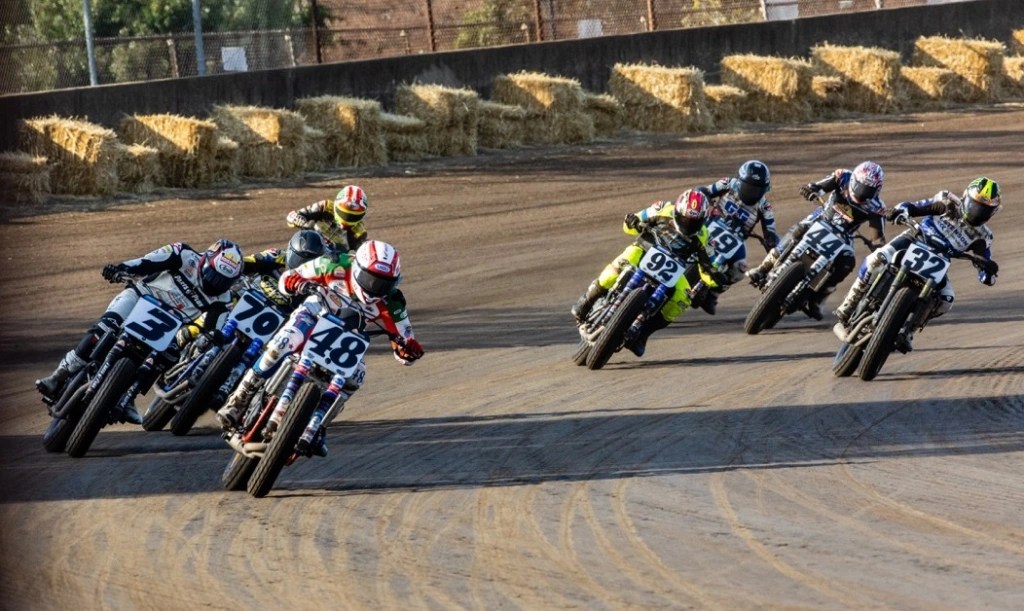
Flat track racing, America’s oldest motorcycle racing discipline, is steeped in tradition but struggling to regain its former glory. The Springfield Mile, once a crown jewel where riders diced handlebar-to-handlebar in front of roaring crowds, now draws only a couple thousand fans—mostly aging Baby Boomers who cheered in the 1970s and 1980s. These loyalists, now in their 60s and 70s, are the sport’s backbone, but their numbers are dwindling, and younger fans are scarce.
Historically, flat track thrived on everyman accessibility, with Class C racing allowing regular riders to compete on production bikes. Over decades, however, the sport drifted toward specialized, costly machines, losing its grassroots essence. The loss of tobacco sponsorship in the 1990s and inconsistent manufacturer support—despite brief boosts from Indian in the mid-2010s—left flat track in a slow decline. Today, few riders make a living solely from American Flat Track (AFT), and the sport’s ambitious visions of big teams and national TV exposure have largely fizzled.
Yet, hope glimmers. AFT’s new leadership, led by Gene Crouch, is a game-changer. Crouch’s track record of innovation—such as securing cost-effective TV coverage—instills confidence. His push to return to Class C’s roots, with rule changes favoring production-based bikes, is a step toward affordability and accessibility. This direction could rekindle the sport’s appeal, but it’s early days, and challenges remain. Manufacturer support, particularly through contingencies, is desperately needed to bolster teams and riders.
Flat track sits at a low point, earning a C, but Crouch’s vision and the sport’s unmatched heritage offer real potential for a comeback. It may get worse before it gets better, but the pieces are in place for revival.
The Road Ahead
Motorcycle racing in 2025 is a tale of three sports at different crossroads. Motocross/supercross thrives by blending youth appeal with tradition, setting a benchmark for others. Road racing, buoyed by MotoAmerica’s efforts, holds steady but needs to deepen its historical ties and broaden its fanbase. Flat track, despite its struggles, has a leader in Crouch who could steer it back to relevance by embracing its roots.
The challenge for all three is clear: engage younger fans while honoring loyal veterans. Motocross/supercross has cracked this code, road racing is making strides, and flat track is laying the groundwork. With strategic promotion, manufacturer backing, and a nod to history, American motorcycle racing can roar into the future, thrilling new generations as it has for decades.
—
Would also love to hear your thoughts on the state of motorcycle racing 2025. Please leave a comment.
 Rider Files